
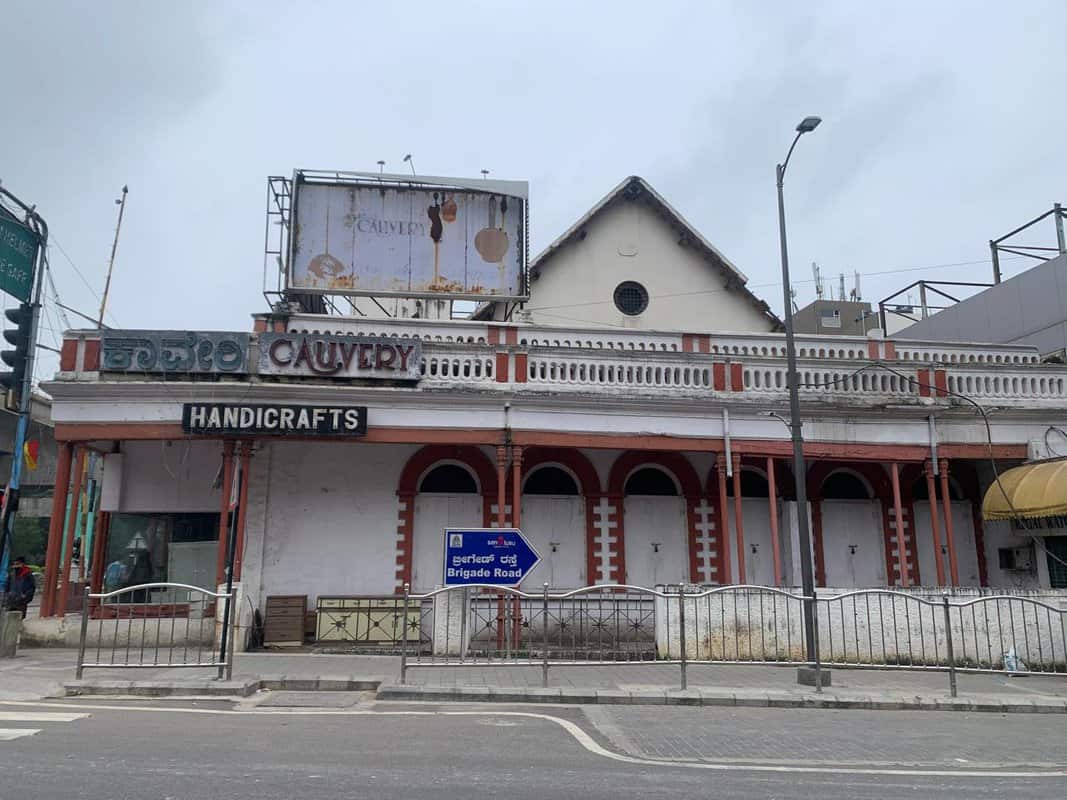
When most people think of Bangalore today, they picture Information Technology (IT) parks, startups, cafes, and cosmopolitan life. Few remember that this city, now a tech hub, has a rich military past. Bangalore was once one of the most crucial army towns in India, attracting the British for strategic reasons that go beyond maps and geography. The story of how Bangalore became an army town is fascinating, and it includes a surprising role played by mosquitoes and climate.
This article may contain affiliate links. For complete information, please see our affiliate disclaimer here.
The Early History of Bangalore
Bengaluru, also called Bangalore, has a long and layered history. Before the British arrived, the region was ruled by several dynasties, including the Gangas, Cholas, Hoysalas, and the Vijayanagara rulers, which gave it significant strategic importance. In the 16th century, Kempegowda I laid the foundation of modern Bengaluru by building a mud fort in the Pete area. Over time, the city grew into a thriving settlement.
By the 17th century, Bengaluru became part of the Wodeyar kingdom of Mysore. Later, Chikka Deva Raja Wodeyar, followed by Hyder Ali, strengthened its defences by constructing a stone fort, transforming Bangalore Fort into a formidable military stronghold. These developments marked the city as a strategic location, long before the British arrived.
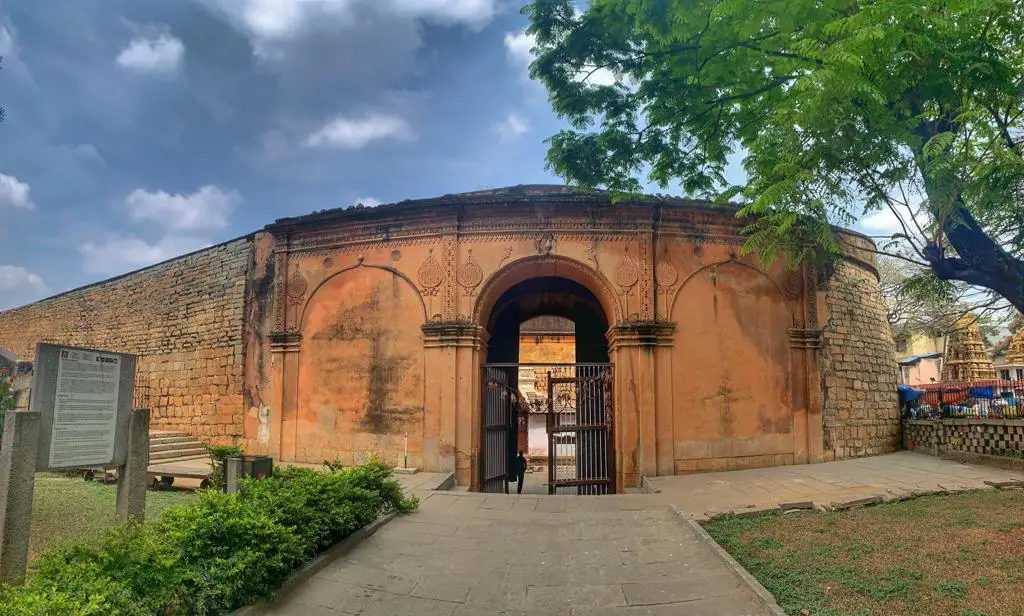
Bangalore’s geography further added to its appeal. Situated on the Deccan plateau at an elevation of roughly 900 metres above sea level, the city enjoyed a moderate climate compared to the hot and humid plains of South India. Cooler temperatures, cleaner air, and fewer disease-prone lowlands made it an ideal location for settlements. This climatic advantage would later play a crucial role when the British were scouting locations for both a hill station and a military base.
Why the British Needed an Army Town?
During the 18th century, the British East India Company was expanding its control over southern India. They were engaged in the Mysore Wars against Hyder Ali and Tipu Sultan. After Tipu Sultan’s defeat in the Fourth Anglo-Mysore War, the British built a garrison town in Seringapatnam (now Srirangapatnam). However, they quickly faced a significant problem: mosquitoes. Malaria and other diseases made the area unhealthy for troops, forcing the British to look for alternative locations.
They needed a secure base that could serve as a cantonment, a training ground, and an administrative centre. Choosing the right location was not easy. The site had to offer:
- A healthy climate for British troops, away from malaria-prone lowlands.
- Strategic proximity to Mysore and other southern kingdoms.
- Space for barracks, parade grounds, hospitals, and supply depots.
- Easy access to water and agricultural supplies to support the troops.
Bangalore met all these requirements. Its climate, elevation, and geography made it an ideal choice, but surprisingly, the most significant advantage was the low risk from mosquitoes.
The Role of Mosquitoes and Climate
The British were very conscious of disease. In the early 1800s, malaria and other fevers were rampant in many parts of India. Low-lying areas like Srirangapatna, Mysore, and the coastal plains had high mosquito populations, making them dangerous for European troops. Soldiers who fell ill often couldn’t recover fully, and mortality rates were high.
Bangalore, on the other hand, was elevated and had fewer stagnant water sources in the immediate cantonment area. Its climate was cooler and drier than the nearby plains, reducing the risk of malaria. British doctors and officers considered this one of the main reasons Bangalore was ideal for a permanent military base.
The combination of elevation, a moderate climate, and relatively fewer disease-carrying mosquitoes made Bangalore a natural choice. Today, this factor is rarely mentioned, but it played a crucial role in the British decision.
Establishing the Bangalore Army Town
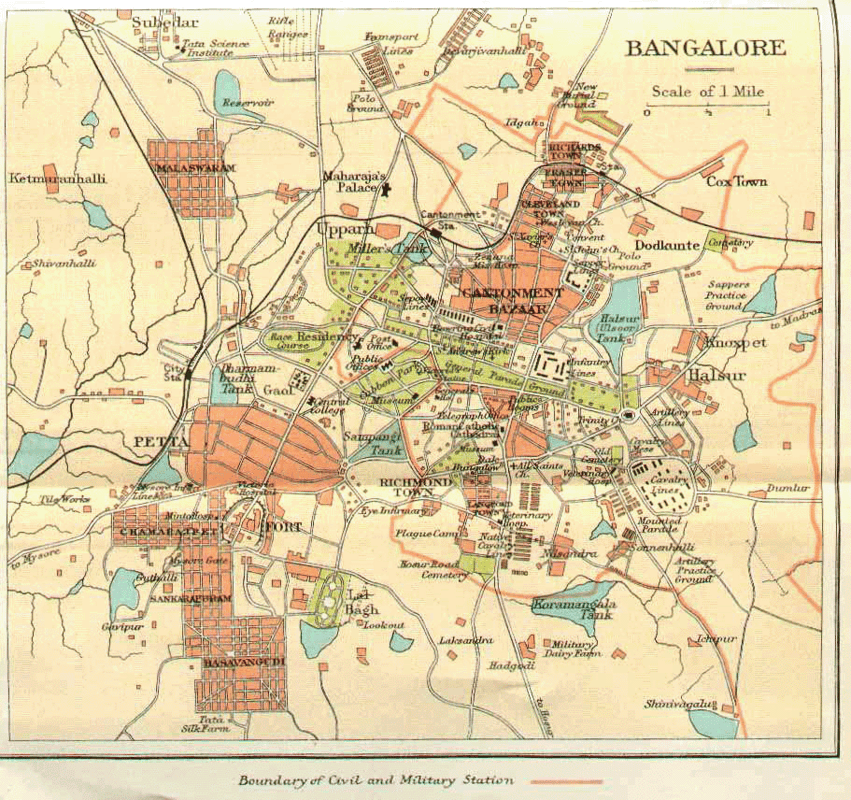
The British formally established the Bangalore Cantonment in 1806, after the death of Tipu Sultan and the Treaty of Srirangapatna in 1799. The cantonment was separate from the old Bangalore Pete (the walled city). While the Pete continued to grow as a commercial and cultural hub, the cantonment was designed with military precision. It had:
- Wide roads for troop movements
- Parade grounds for drills
- Barracks and officer residences
- Churches, clubs, and schools for European families
- Hospitals and sanitation facilities
This planning made the cantonment self-contained and distinct from the rest of the city. The British also invited civilians to settle nearby, providing employment and services to the military population. Slowly, Bangalore became a dual-city, with the Cantonment for the British and the Pete for the local population.
Strategic Importance of Bangalore
Bangalore’s military value was not just about climate. Its location was central to the southern Deccan, making it easy for the British to move troops to various regions as needed. It connected well to Mysore, Coorg, and the Malabar Coast through roads and later railway lines. The surrounding hills provided natural defences, while the flat areas were ideal for drilling troops and setting up military exercises.
The British also recognised the city’s potential as a supply hub. Food, water, and ammunition could be stored and distributed easily. This allowed Bangalore to support long campaigns in southern India without relying on distant bases. Over time, it became one of the largest cantonments in India, second only to places like Pune or Lucknow in size and importance.
Life in the Bangalore Cantonment
Life in the cantonment was very different from life in the Pete. British officers and their families lived in villas and bungalows, often surrounded by gardens and lawns. Clubs, ballrooms, theatre halls, and social gatherings were common, creating a community of British society in India. Schools and churches ensured that children were educated, and European traditions continued.
For the soldiers, the cantonment offered training, accommodation, and recreation. Parade grounds were used for daily drills, while nearby hills were used for military exercises. Hospitals ensured that troops remained healthy, and the climate worked in their favour.
The local population also benefited in specific ways. Tradesmen, artisans, and labourers found work supplying goods and services to the cantonment. Markets developed, and a symbiotic relationship between the British and the local population emerged, though it was always one-sided in terms of power.
Legacy of the Army Town
Even after India gained independence, the legacy of the British cantonment remained. Many military establishments still operate in Bangalore today, and the city retains its dual character. The areas once under British planning are distinct in their wide roads, bungalows, and open spaces. Clubs and churches from the colonial era continue to function, providing a window into the past.
Bangalore’s identity as an army town also influenced its urban planning, culture, and architecture. Roads were laid out systematically, unlike the narrow winding lanes of the Pete. Public spaces and parks were designed to serve both civilians and military personnel. The city became a centre for education, administration, and governance for southern India.
Surprising Facts About Bangalore’s Military History
- Mosquitoes decided the fate of armies – The British prioritised Bangalore over other nearby cities because it had fewer mosquitoes and a healthier climate.
- Tipu Sultan’s fall was key – Without Tipu Sultan’s defeat and death in 1799, the British would not have had the freedom to establish a cantonment here.
- Dual cities – Bangalore effectively became two cities: the Pete and the Cantonment, each with its own culture, architecture, and governance.
- Large-scale training hub – During the British Raj, Bangalore became a major training hub for troops destined for wars across India.
- Strategic central location – Its location in the Deccan plateau made it ideal for moving troops quickly to southern campaigns.
Why You Should Explore Bangalore’s Army Town?
Walking through Bangalore today, it is hard to imagine the city as a bustling army town. But remnants of the past are everywhere, from colonial-era churches and barracks to wide avenues and military clubs. Exploring these lanes gives a sense of how the British transformed this city into a strategic military hub.
If you want to experience this history firsthand, you can walk through these historic lanes on our Army Town and Its Tales trail. This guided walk takes you through key landmarks, telling stories of British officers, soldiers, and local interactions that shaped modern Bangalore. You’ll learn about the planning, the challenges, and the human stories behind the city’s military past.
Bengaluru Prayana offers guided heritage and cultural walks across the city, exploring its history, culture, and hidden stories. Join our scheduled walks or request a customised experience tailored to your interests.
To learn about the scheduled walks, visit the Bengaluru Prayana Facebook Group or Instagram Page. Alternatively, you can write to us at bengaluruprayana@gmail.com.
You can also join our WhatsApp community.
Closing Notes
Bangalore’s journey from a sleepy town to one of the most important army towns in India is remarkable. The British were strategic, considering climate, disease, and location when establishing their cantonment. The city’s dual character, its colonial planning, and its military heritage all stem from this era. Even today, the influence of its army town past is visible in the layout, architecture, and culture of Bangalore.
Understanding this history gives a deeper appreciation of the city we see today. The next time you walk through Bangalore’s wide roads, visit its old churches, or explore its green spaces, remember that behind this modern city lies a fascinating story of strategy, survival, and foresight.
Walk through these historic lanes on our Army Town and Its Tales trail and witness Bangalore’s military history come alive.
How Can You Support Me?
You know I love coffee, so you can buy me a coffee – Buy Me Coffee!
If you enjoyed and liked this article, comment, tweet, and share this post.
Do you have a question or a suggestion? Or want to know more information? Write to me at bengaluruprayana@gmail.com.
