
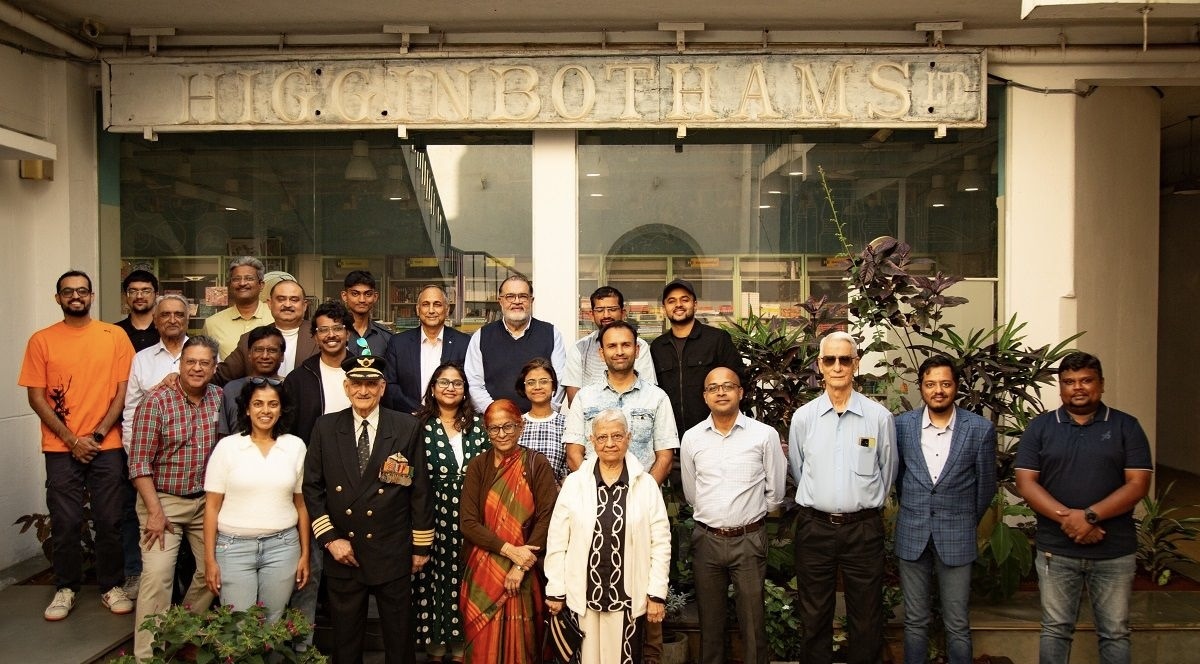
Some lives carry history quietly within them. Not through loud claims, but through years of discipline, consistency, and responsibility. The life of Wing Commander Bharat Bhushan Soni, Vir Chakra, VM, psc (Retd) is one such story.
Listening to him speak is not about hearing a dramatic retelling of war. It is about understanding what it takes to prepare, perform, recover, and return to duty, again and again, over decades of service.
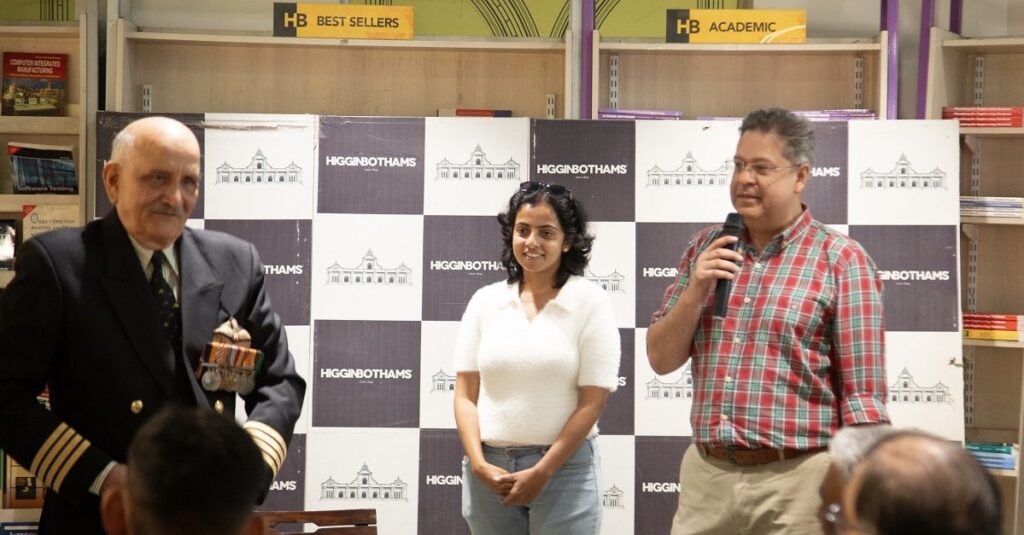
At Valiant Veterans, we had the privilege of hosting him for an in-depth session where he shared his journey with honesty and clarity. This post is an attempt to document that journey and the achievements that define it.
Early Life and the Impact of Partition
Wing Commander Soni’s story begins even before his formal military career. He spoke about his early childhood during the Partition of 1947, a time that left a deep mark on many families across the subcontinent.
At just three years old, he crossed over with his family as refugees into Eastern Punjab. They had to leave everything behind in their village. Eventually, they settled in Ramdas, a village barely three kilometres from the border.
Growing up so close to the border and carrying the memory of displacement, he came to understand uncertainty, resilience, and the value of stability. These early experiences, though rarely spoken of, laid the foundation for the discipline and resolve that later defined his career.
Commissioning into the Indian Air Force
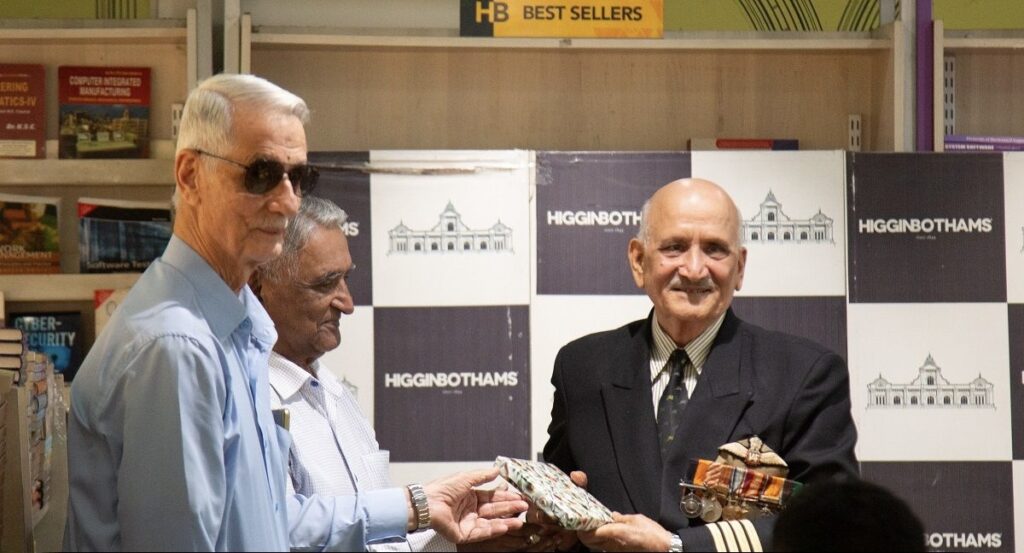
Wing Commander Bharat Bhushan Soni was commissioned into the Indian Air Force in May 1965. From the very beginning, he stood out for his focus and commitment.
He stood first in his course, earning the Chief of the Air Staff’s Medal for outstanding performance. This was not a one-time achievement. His professional journey consistently reflected excellence at every stage.
After initial training, he flew Vampire trainers at Hakimpet. He was then posted to Hunter and Gnat squadrons, aircraft that demanded precision, situational awareness, and discipline. Later, he converted to the MiG-21FL, one of the most advanced fighters of its time.
Each transition required adaptability. Each aircraft demanded a different mindset. He embraced these changes with quiet competence.
Performance in Professional Courses
Throughout his career, Wing Commander Soni continued to excel in professional training. He topped key courses, including the Junior Commander’s Course and the Fighter Combat Leader’s Course (FCL).
During the FCL Course, his flying skills and marksmanship were recognised through two prestigious awards:
- The Jam Sataj Trophy for flying skill of a high order
- The Moolgavkar Trophy for excellence in air-to-ground weaponry
These awards were not ceremonial. They reflected consistent performance, technical mastery, and calm execution under demanding conditions.
His professional competence led to his selection as an instructor at the Tactics and Combat Development Establishment (TACDE), one of the most respected training institutions in the Indian Air Force. Teaching at TACDE is both an honour and a responsibility. It requires not just skill, but the ability to transfer knowledge with clarity and discipline.
The 1965 Conflict and a Setback
During the 1965 conflict, Wing Commander Soni served as a Forward Air Controller (FAC). This role placed him close to ground operations and required strong coordination with Army units.
Soon after this phase, while on leave, he met with a serious road accident that damaged one of his kneecaps. For a fighter pilot, this kind of injury can be career-ending.
What followed was a period of recovery that tested patience and resolve.
He spoke about returning to fitness through regular exercise, discipline, and a structured routine. There was no shortcut. Only consistency.
He recovered. And he returned to active flying duties.
Service During the 1971 Indo–Pak War
By the time the 1971 Indo–Pak War began, Wing Commander Soni was serving with No. 47 Squadron (Black Archers), commanded by Wg Cdr H.S. Gill. The squadron was based at Jamnagar.
The initial role of No. 47 Squadron was air defence of vital areas. This included the defence of strategic locations such as Okha Port.
Between the start of hostilities and 10 December 1971, he flew 15 air defence missions. These missions required alertness, endurance, and readiness to respond at short notice.
Operations Over Badin and the F-104 Engagement
On 11 December 1971, three aircraft were tasked to carry out a rocket attack on the Badin radar complex in southern Sind. The formation was led by Wg Cdr H.S. Gill, with Flt Lt Soni as No. 2 and Sqn Ldr Vinay Kapila as No. 3.
The following day, on 12 December 1971, Wing Commander Soni encountered a supersonic F-104 Starfighter of the Pakistan Air Force.
In an engagement that required speed, judgement, and precision, he shot down the F-104. This was a significant achievement, given the aircraft’s performance characteristics.
For this act of conspicuous gallantry and combat skill, he was awarded the Vir Chakra by the President of India.
On 13 December, another strike was launched against the Badin radar complex. Four MiG-21 aircraft participated, with clearly defined strike and escort roles. Wing Commander Soni flew as part of this carefully coordinated mission.
A Human Connection Beyond the War
Many years after the war, Wing Commander Soni was contacted by the daughter of the Pakistani pilot whose aircraft he had shot down. She wanted to understand the final moments of her father.
This exchange, shared quietly during the session, reflected the human side of conflict. Beyond uniforms and aircraft, wars leave behind personal stories that cross borders and time.
The Valiant Veterans Session
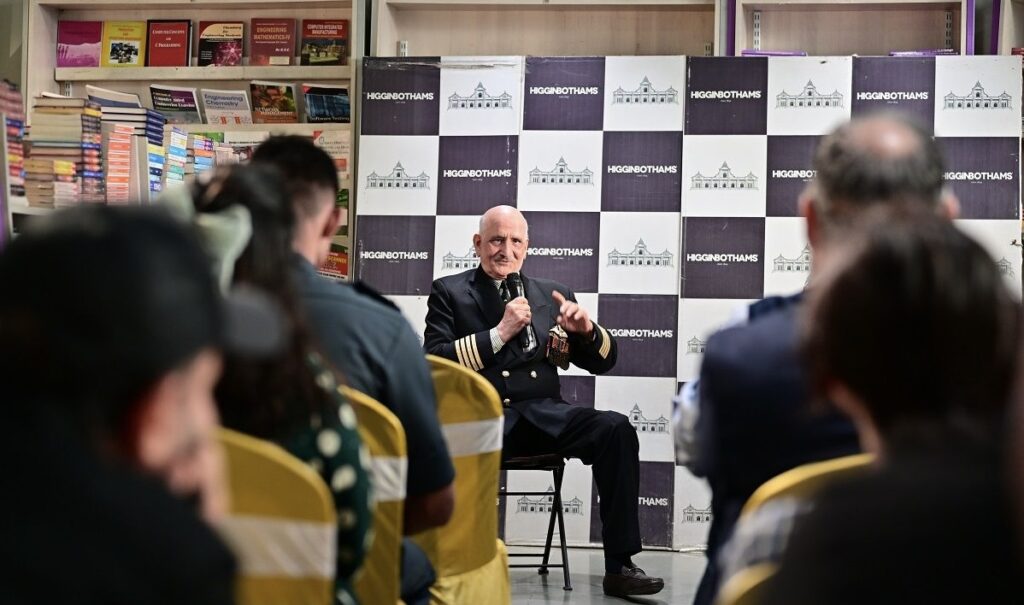
At Valiant Veterans, Wing Commander Soni spoke without embellishment. He focused on facts, decisions, and lessons. The audience listened closely.
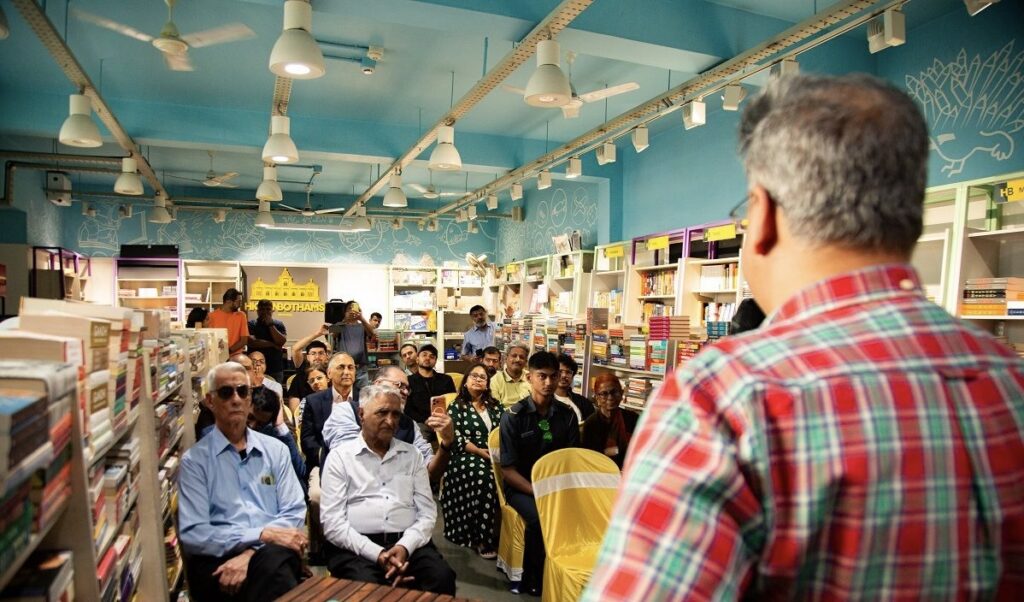
What stood out was not just his achievements, but his calm acceptance of responsibility. There was no attempt to glorify conflict. Only a clear account of duty performed under challenging circumstances.
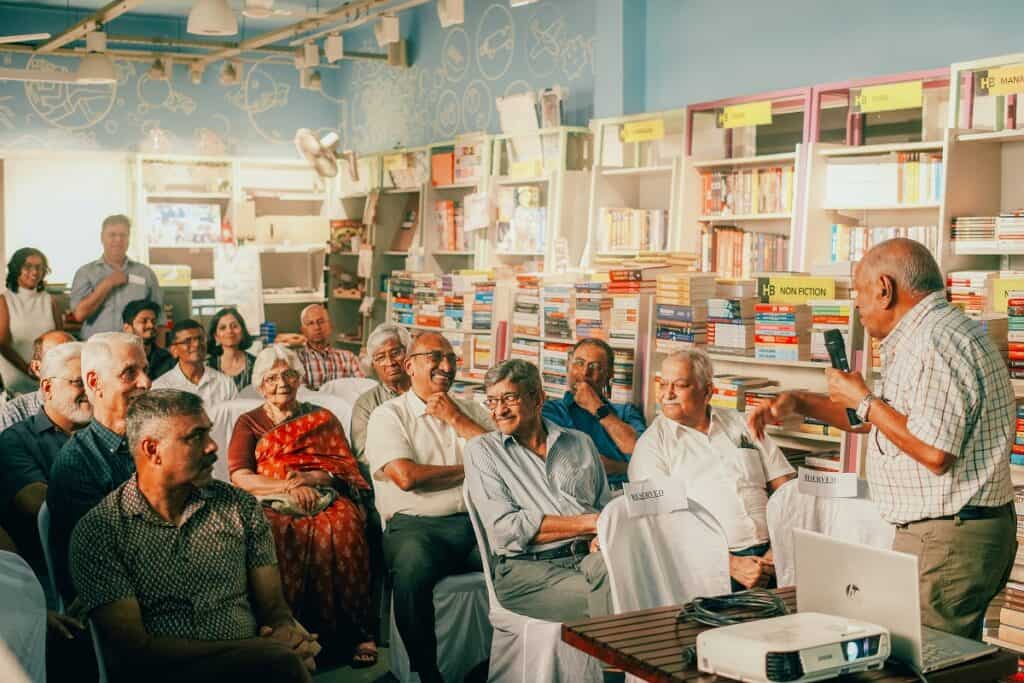
The room remained attentive throughout. Many attendees later shared that hearing such a journey firsthand from the person who lived it gave them a deeper understanding of military service.
Continuing the Legacy Through Valiant Veterans
Valiant Veterans was created to offer such stories the space they deserve.
The session with Wing Commander Bharat Bhushan Soni reinforced why this initiative matters.
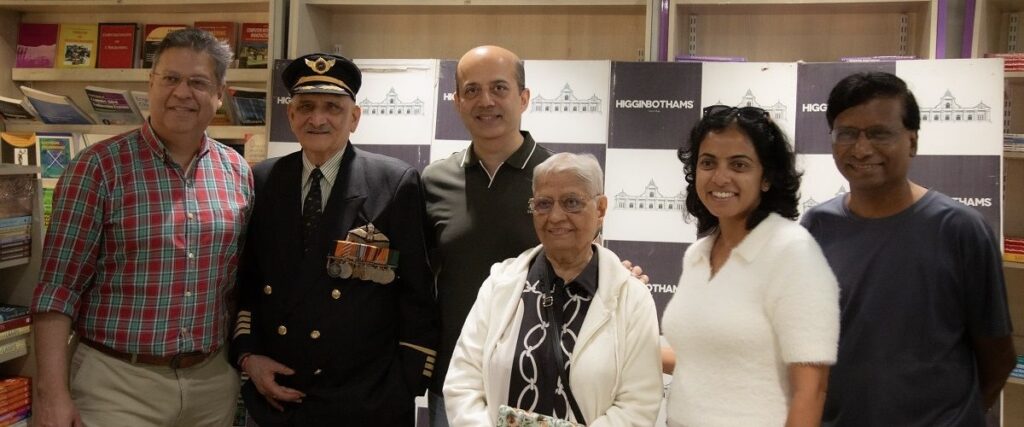
While our first edition featured Squadron Leader Pushp Vaid, Vir Chakra, the journey continues through voices like Wing Commander Soni’s. Each story adds to a growing archive of lived experiences from the Indian Armed Forces.
My Reflections
Hosting this session left me thinking long after the evening ended.
What stayed with me was not just the scale of what Wing Commander Bharat Bhushan Soni experienced, but the way he chose to speak about it. There was no attempt to dramatise events. No effort to impress. Just a steady, honest account of responsibility, preparation, and consequence.
As someone who curates experiences around history and stories, I often think about how easily important narratives get reduced to headlines or dates. Sitting in that room reminded me why listening matters more than summarising. When a veteran speaks in their own voice, at their own pace, the story carries a different weight.
I also realised how rare it is today to have spaces where people are willing to listen without interruption. The silence in the room was meaningful. It showed respect, curiosity, and a shared understanding that these experiences deserve attention.
For me, Valiant Veterans is not about scale or spectacle. It is about care. About creating a setting where stories from the Indian Armed Forces can be shared with dignity and received with seriousness. Each session strengthens my belief that this work is necessary.
As we continue this series, my hope is simple. That we keep listening well. And that we allow these stories to remain as they are, complex, human, and authentic.
Graditude
We would like to begin by expressing my sincere thanks to Wing Commander Bharat Bhushan Soni, VrC, VM, psc (Retd), for trusting us with his story. Sharing lived experiences from decades of service requires generosity and courage of a different kind. We are grateful for his openness, clarity, and time in this conversation.
Our gratitude also extends to his family, who supported his presence and continue to stand beside him. Behind every story of service is a family that shares the weight of that journey, often quietly and without recognition.
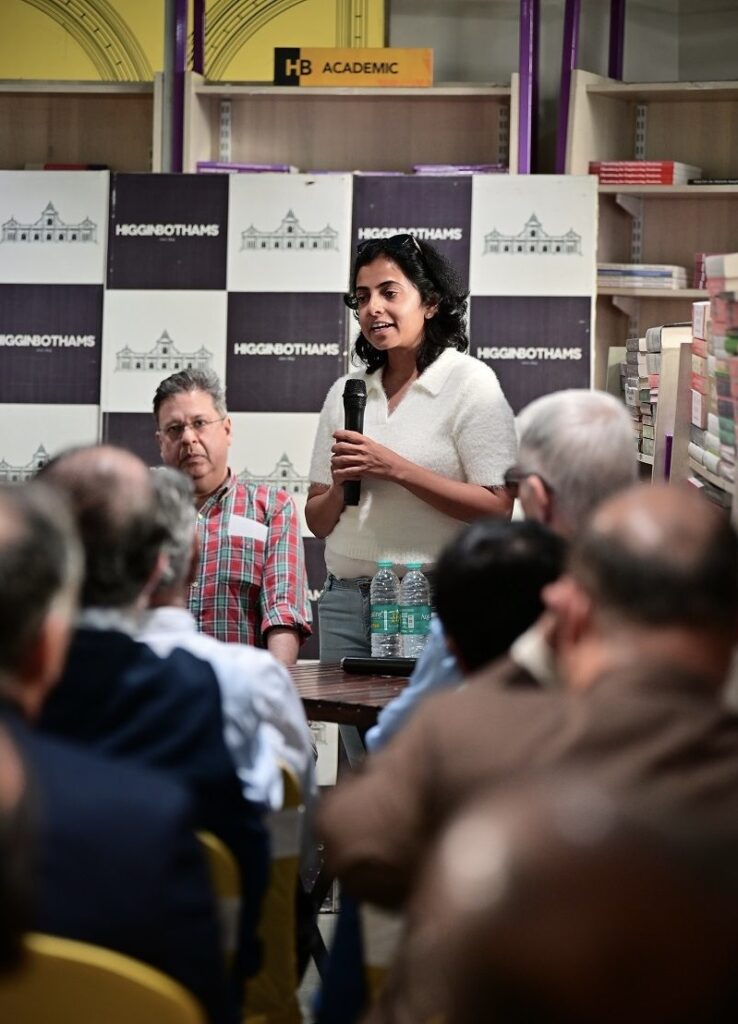
We would also like to thank Higginbothams for opening their space to us. Their support allowed this conversation to take place in a calm, accessible, and respectful setting, exactly what such stories deserve.
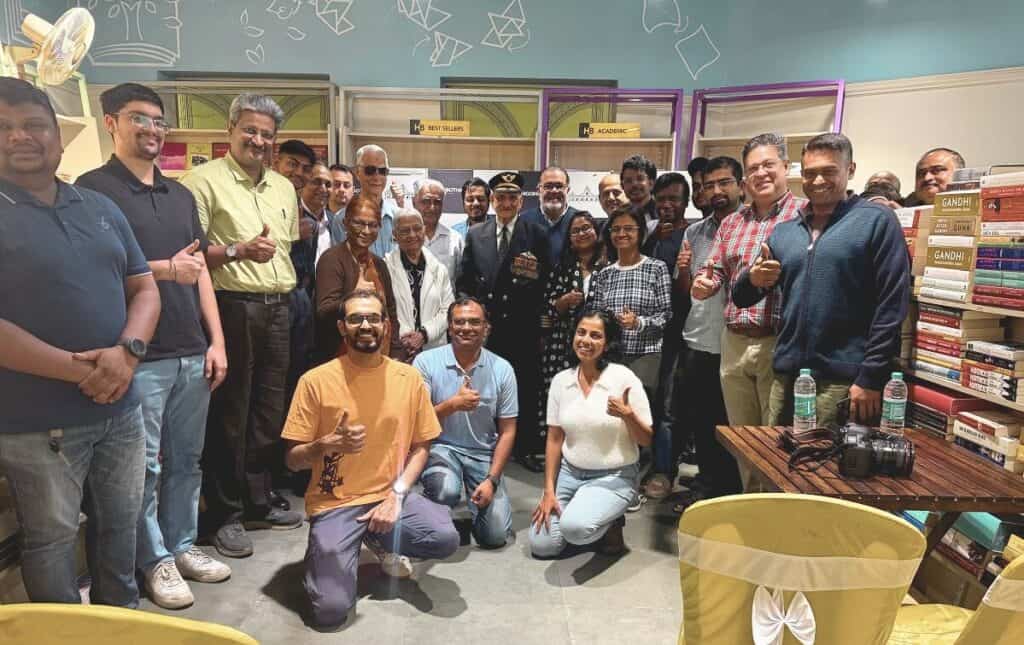
These gestures of support, both visible and unseen, are what make initiatives like Valiant Veterans possible.
Closing Notes
Wing Commander Bharat Bhushan Soni’s life reflects what consistent excellence looks like.
From training to combat.
From injury to recovery.
From instruction to leadership.
His story is not just about medals or aircraft.
It is about discipline.
Preparation.
And the quiet weight of responsibility.
Listening to him was a reminder that history lives not only in records, but in people.
And it deserves to be heard.
The Valiant Veterans series continues to expand with each edition.
Our third session featured Wing Commander Joseph Thomas, VM, whose work highlights the importance of mapping, testing, and long-term systems building.
